 All Games Daily
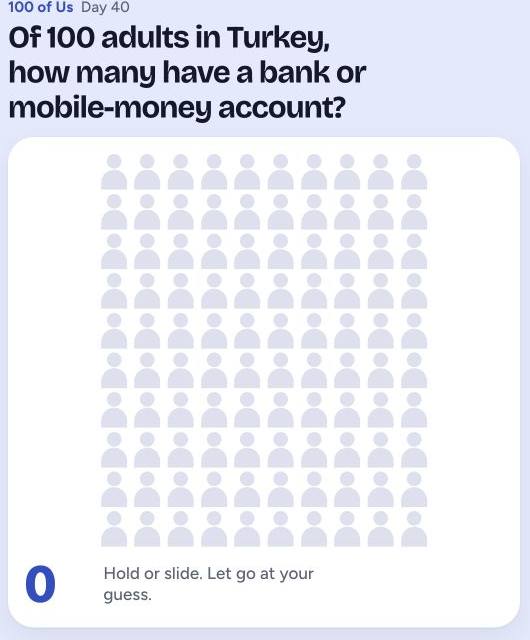
100 of Us
Estimate how many people out of a hundred match a real-world statistic.
Browse estimation games, compare their mechanics and find something to play on the maker’s website.
72 games
Estimate how many people out of a hundred match a real-world statistic.

Listen to two beeps, then reproduce the gap between them to climb higher.

Objects tumble into a clear container while you watch, then a 15 second clock starts and you dial in how many landed inside.
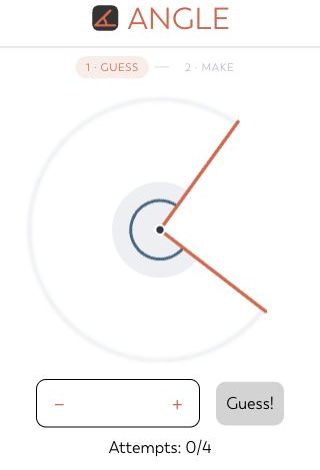
Estimate an angle in degrees.
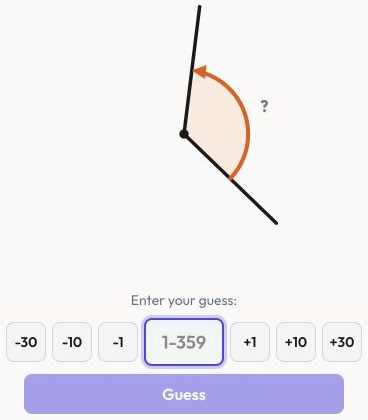
Two rays meet at a point and you type the angle between them in degrees, a whole number from 1 to 359.
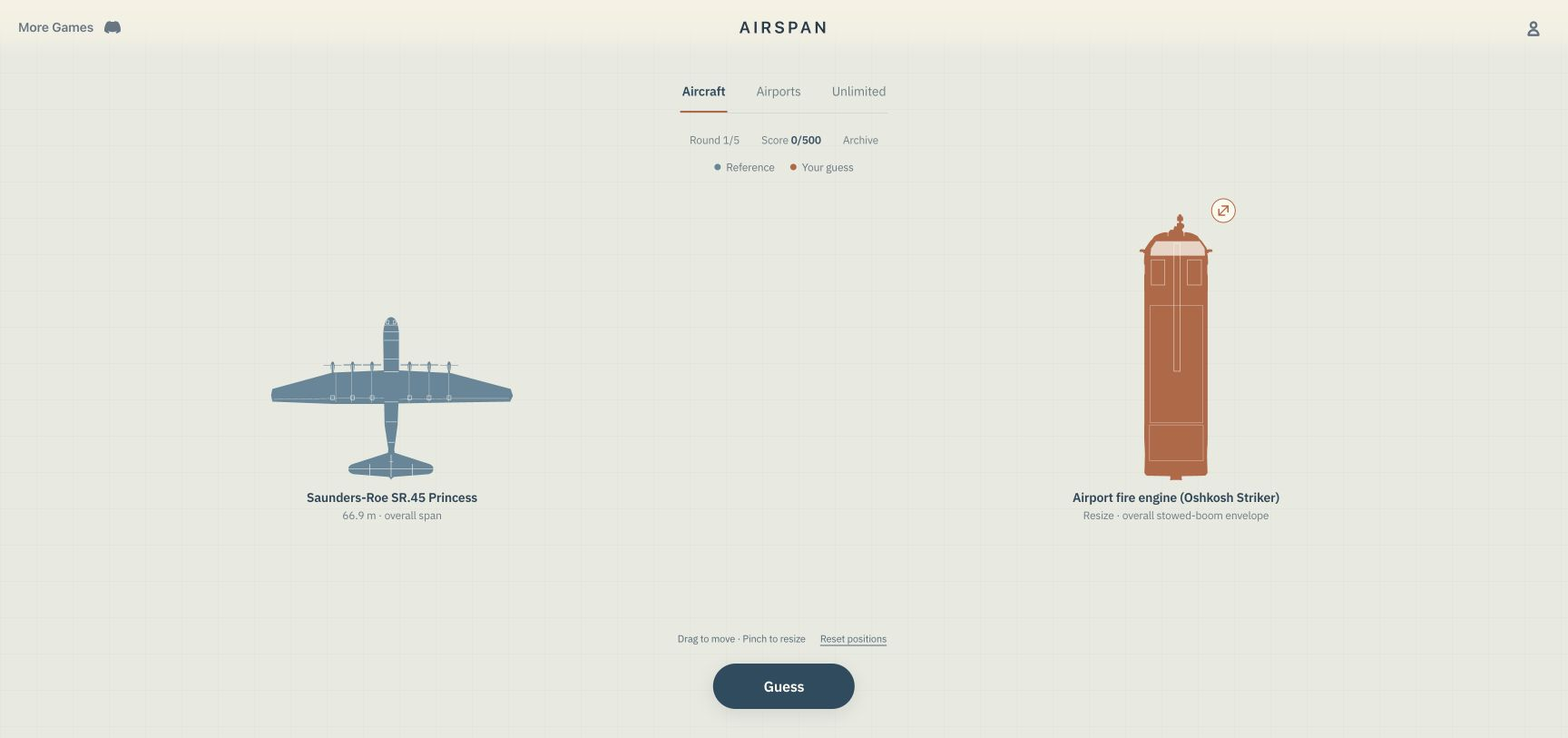
Resize aircraft and airport shapes against familiar references to estimate their true size.
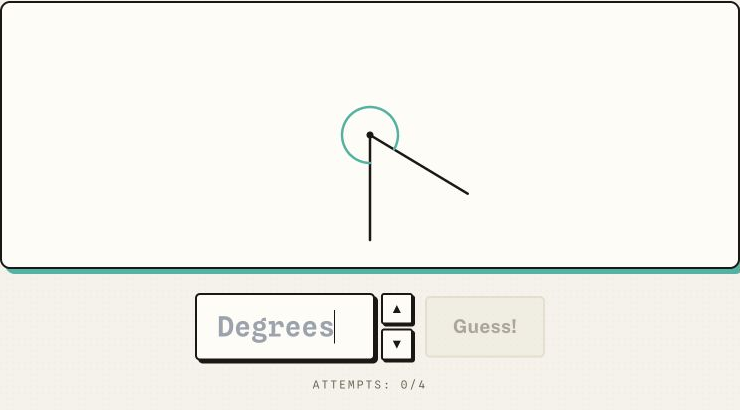
Estimate the displayed angle in degrees, then refine your answer using higher-or-lower feedback.
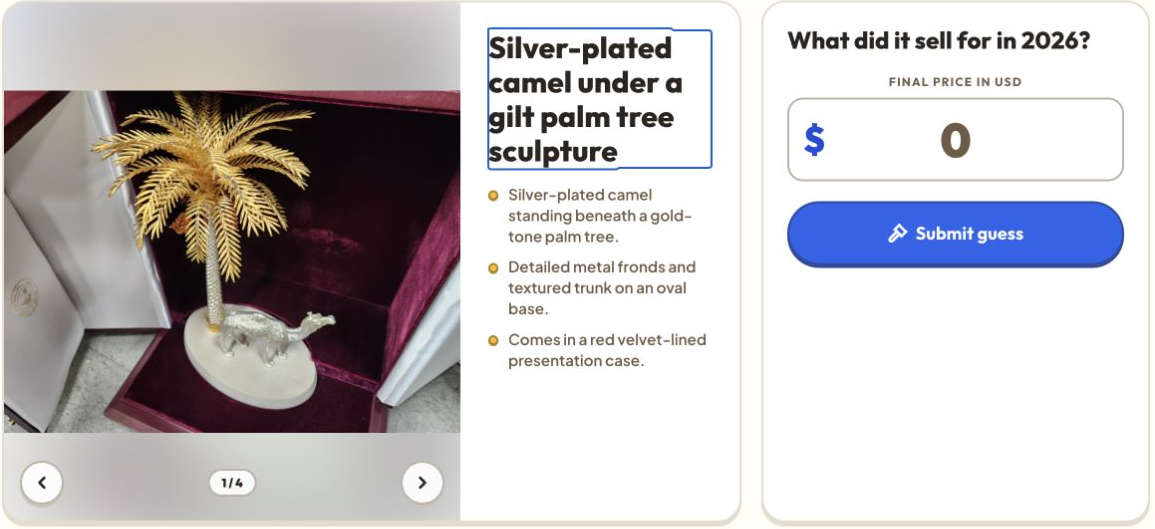
View real photos and listing details for a U.S. government surplus auction lot, then guess its final sale price in USD.
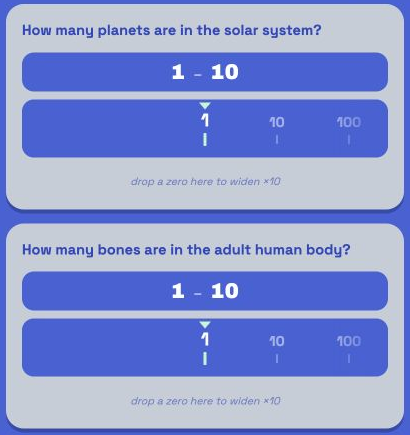
Give numerical estimates for trivia questions using adjustable scales.

Adjust a chart's bars to estimate the values in the question.
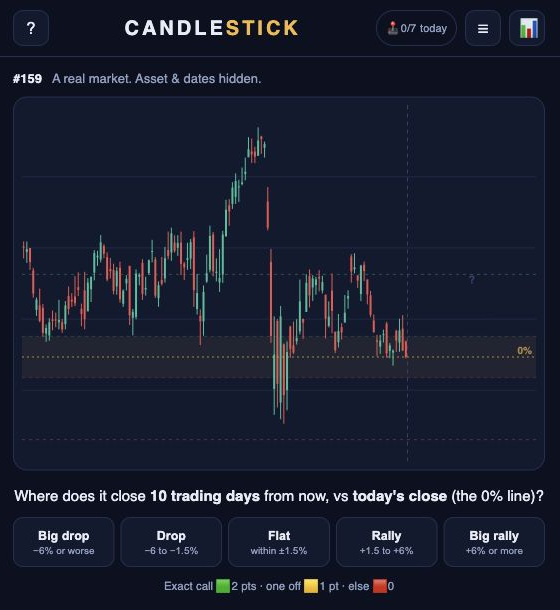
A real price chart of a stock, index, cryptocurrency, currency or commodity is shown with the asset and dates hidden.

Compare cities by population, elevation, age, weather or distance and extend a higher-or-lower streak.

Identify a car model from a deliberately blurred photograph and your earlier guesses.
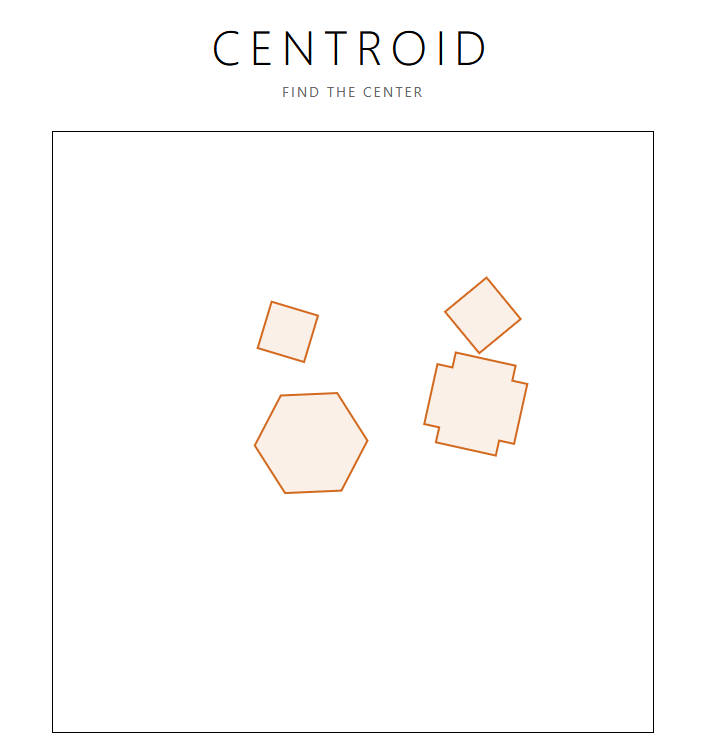
Estimate the center of mass of the displayed shapes.

Estimate 5 real-world numbers without looking anything up, such as how many years Jupiter takes to orbit the Sun.
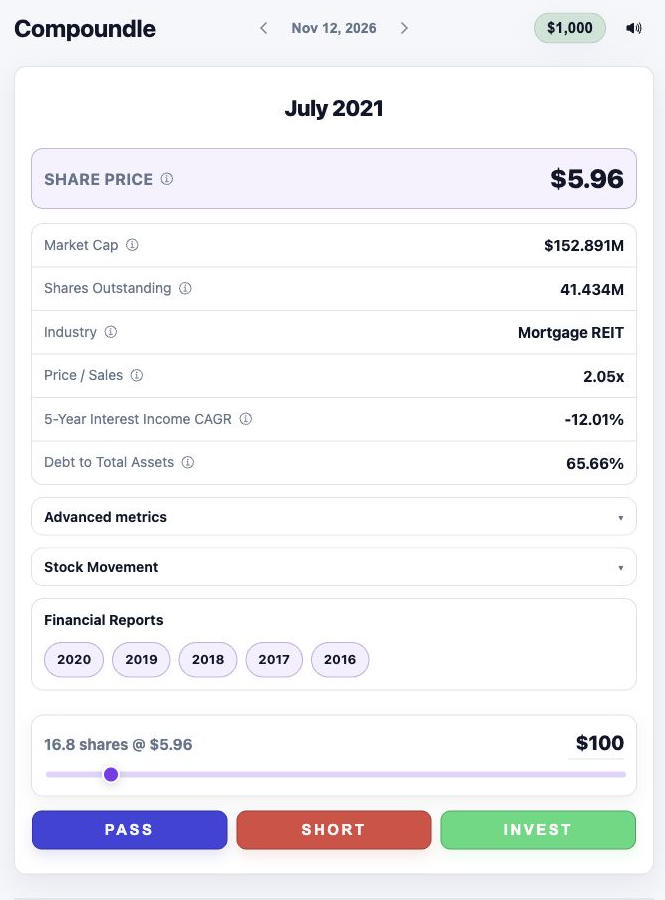
Make simulated investment choices using historical company figures and annual-report clues.

Estimate Costco product prices in a five-item checkout or a single-product guessing challenge.

Compare route distances, airport traffic and aircraft seat counts in an aviation higher-or-lower game.

Estimate a used car's price from its photograph, mileage and specifications.
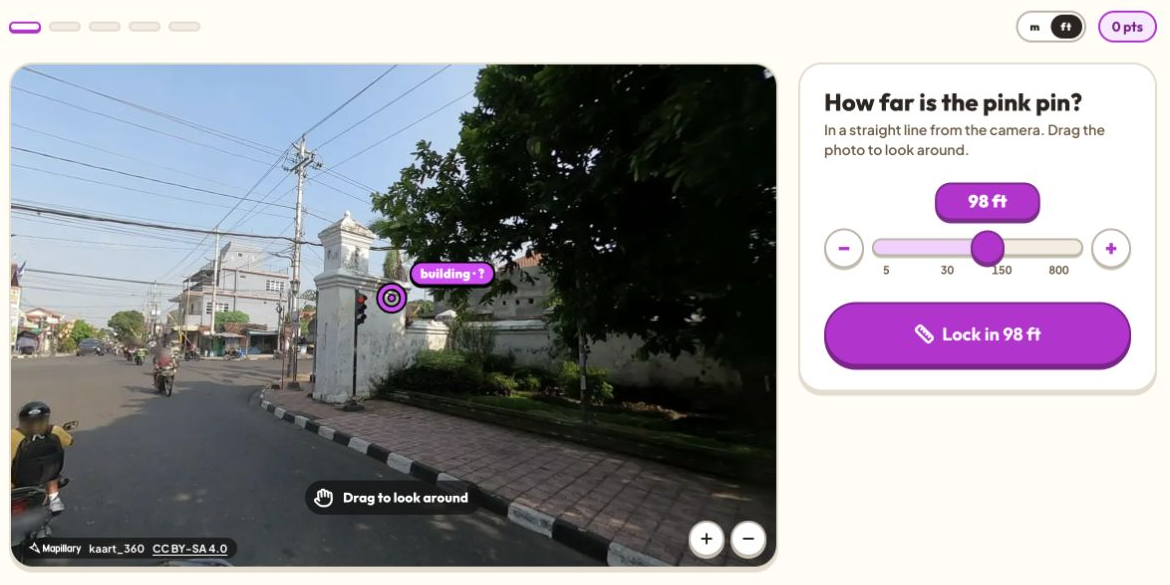
Estimate the distance to a marked target in a street photograph.
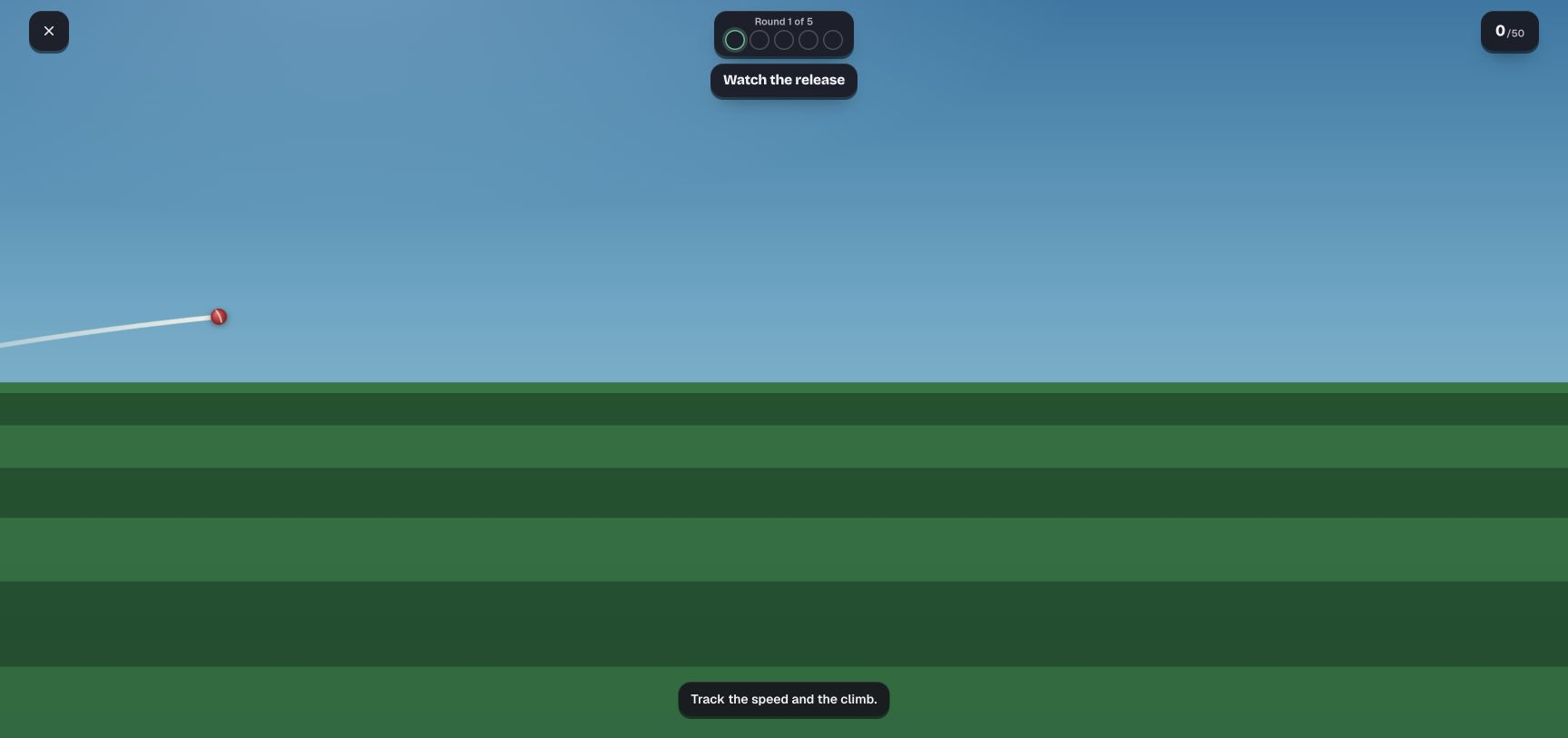
Track a ball's movement across the field to judge its trajectory.
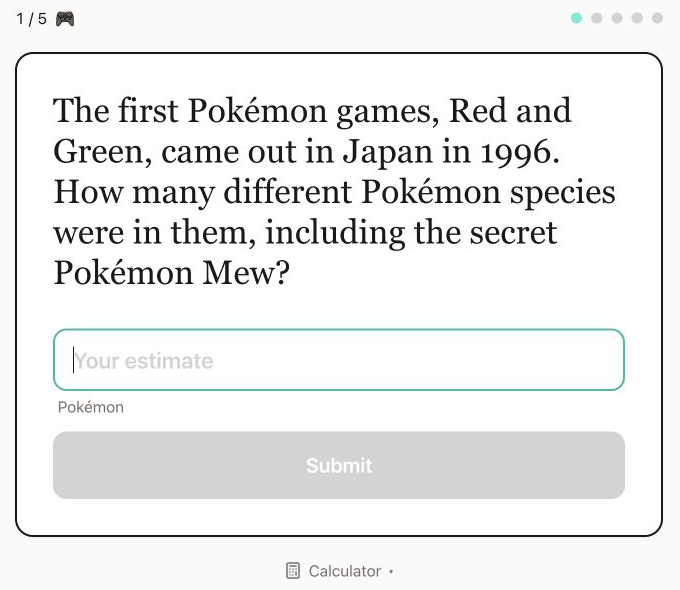
Estimate the numbers behind 5 real-world facts on the day's theme.
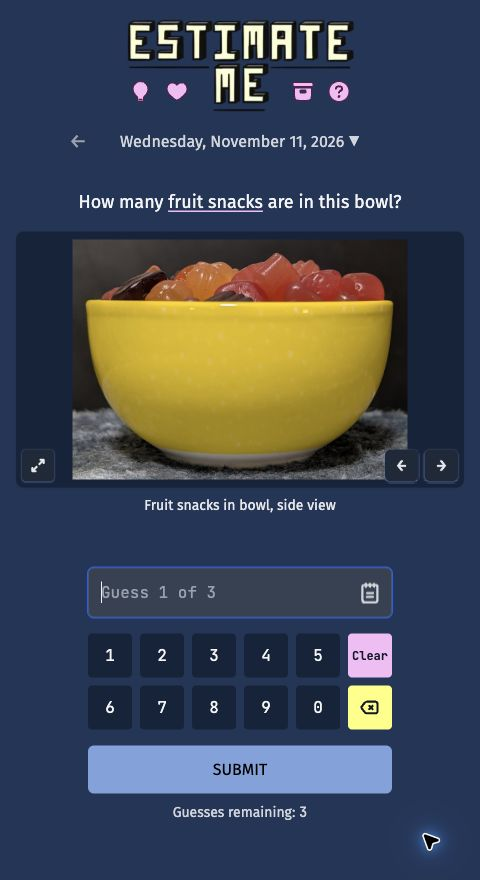
A photo shows a container of something and you type how many items are inside.

Answer 5 numerical questions by dragging a slider to your estimate.

Estimate an animal's heart rate by adjusting a beats-per-minute slider.
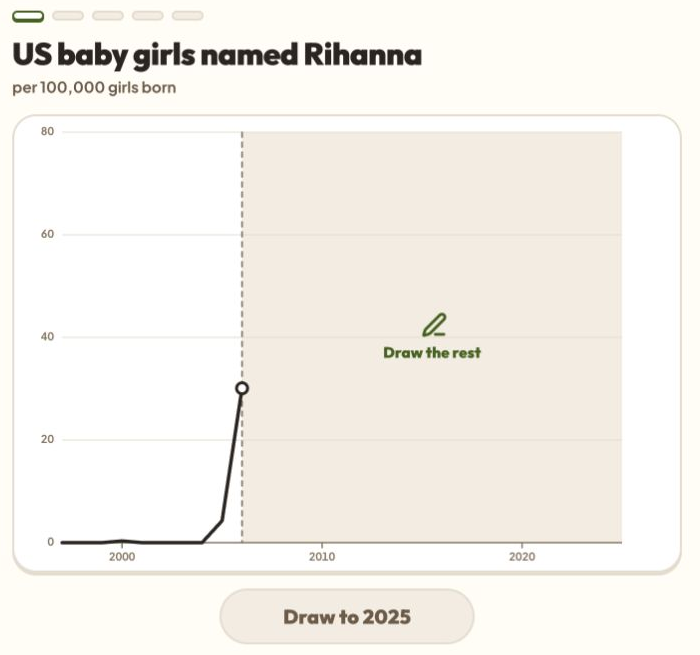
Draw the missing continuation of a historical-data chart.

3 numeric estimation questions, each shown with a photo.

Estimate three quantities and score according to your proportional error.
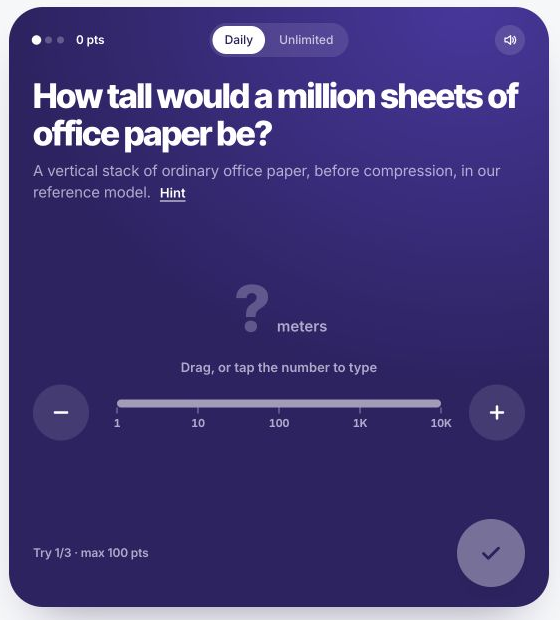
Estimate numerical answers to Fermi questions using a wide-ranging value slider.
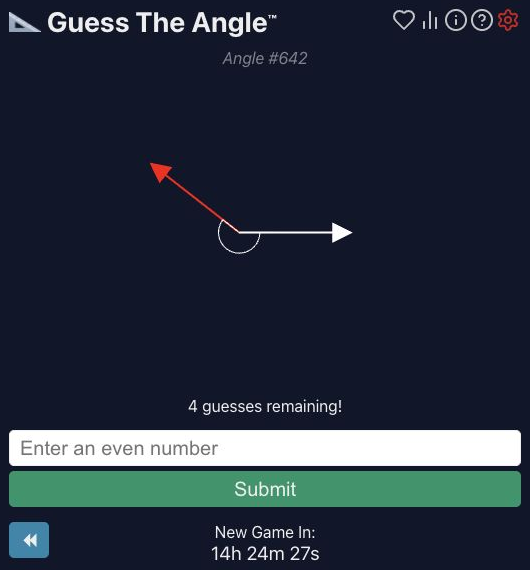
Look at the drawn angle and type its size in degrees.
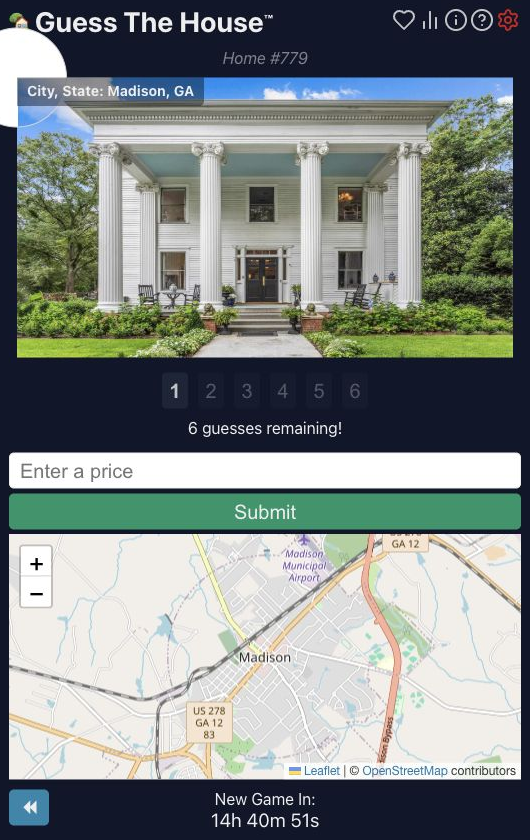
Estimate the asking price of a home from photographs of it.

Adjust the quantity on a balance scale to estimate an object's weight.

Guess the price of 5 real products, one guess each.
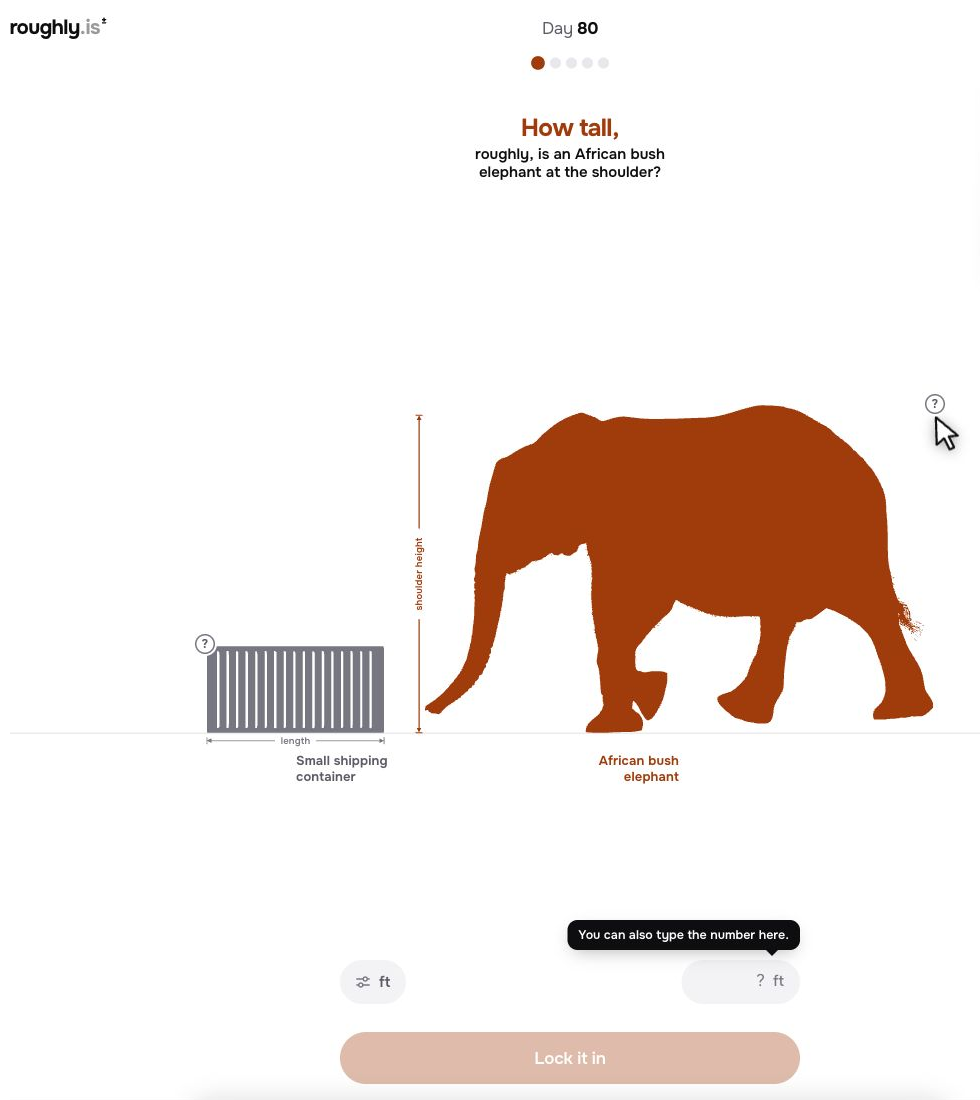
Estimate an object's real size by comparing its silhouette with a reference.
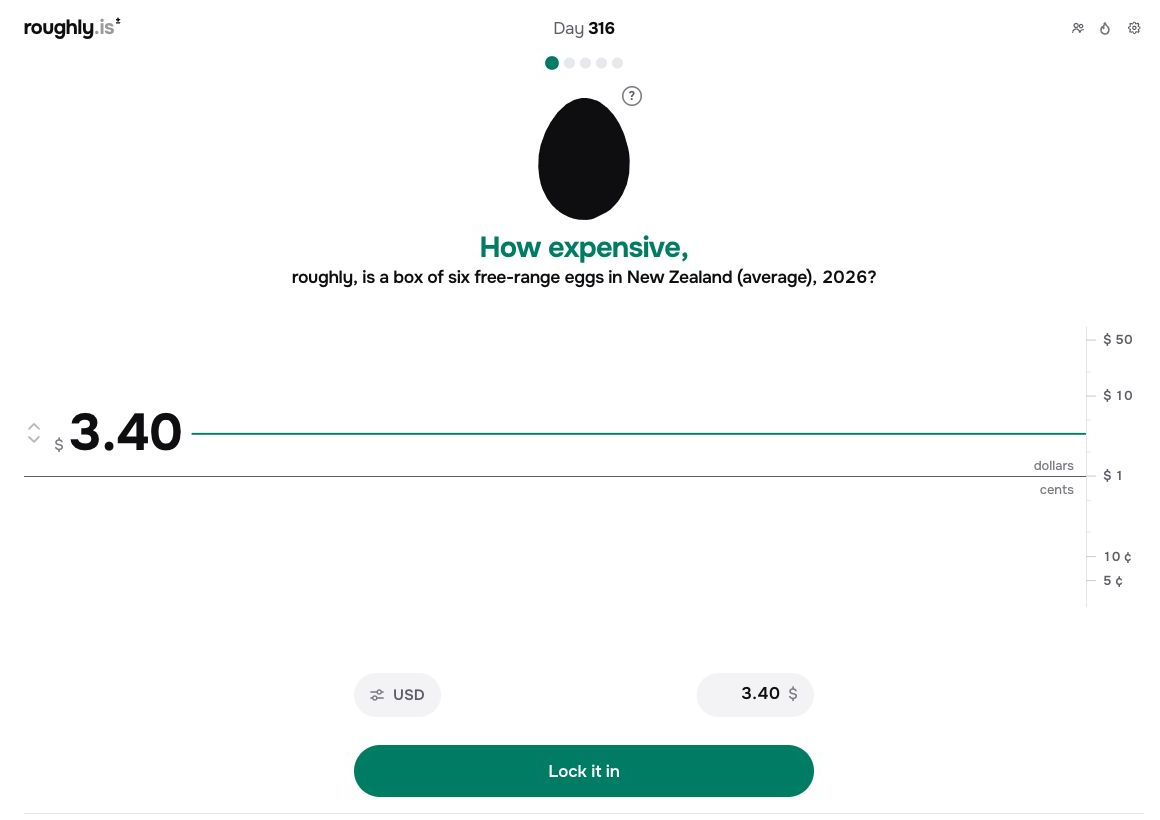
Estimate the price of a product using a logarithmic price scale.

Estimate the probability of a scenario using an odds slider.
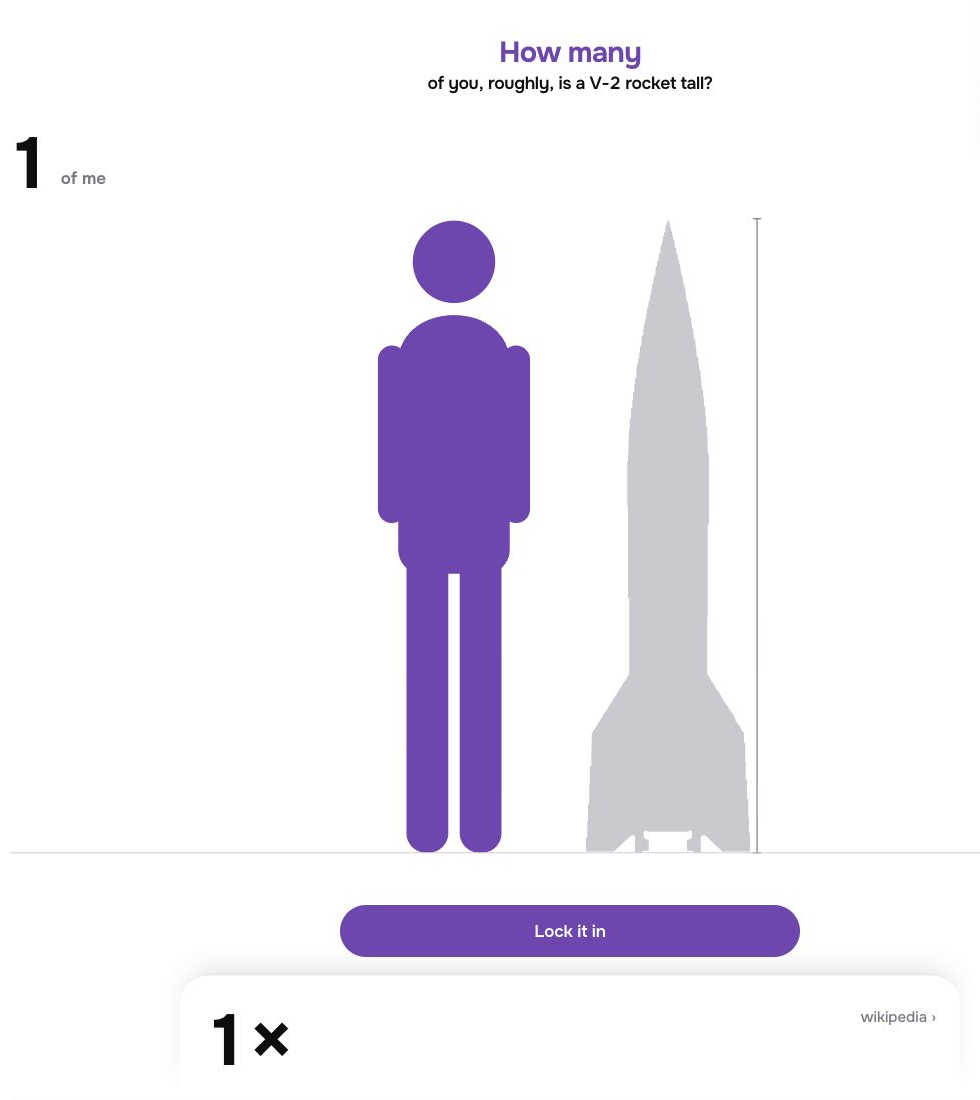
Estimate an object's size in human bodies using the silhouette as your reference.
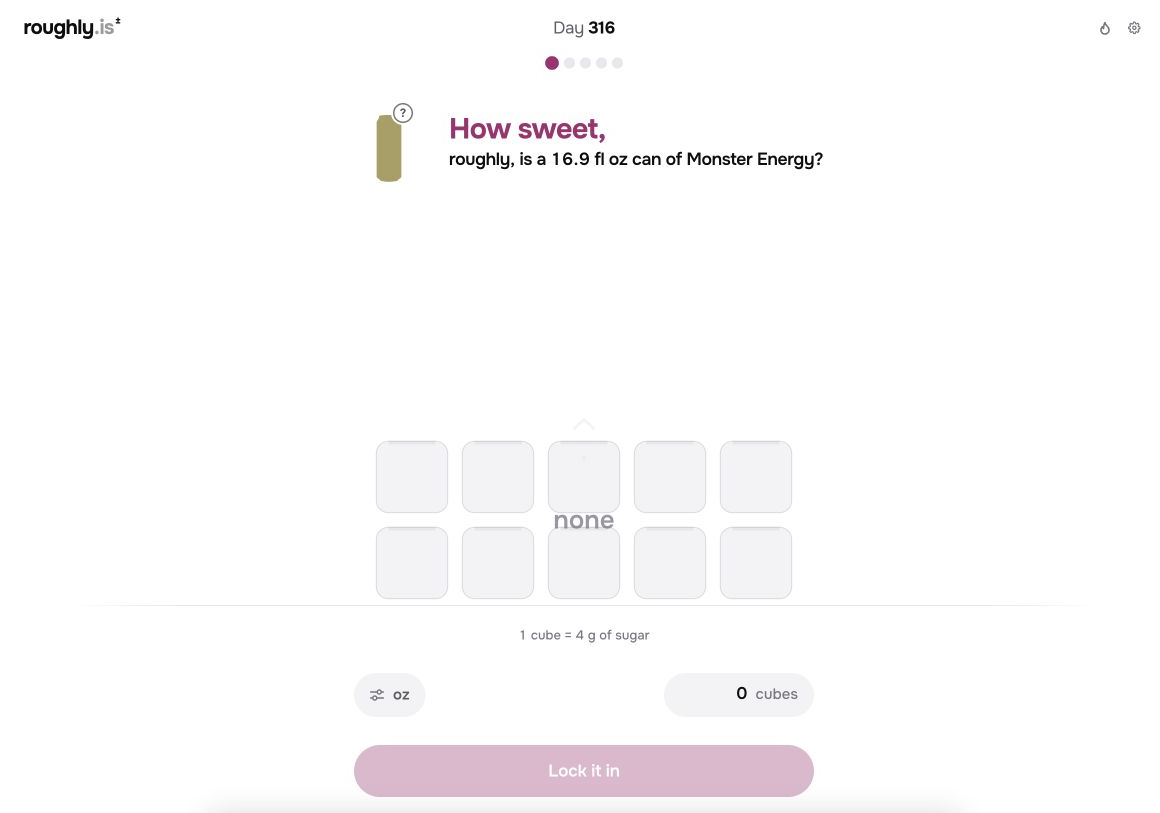
Estimate a drink's sugar content as a number of sugar cubes.

Estimate the price of an item shown in a photograph.

Guess a product's price from its clue within the available attempts.
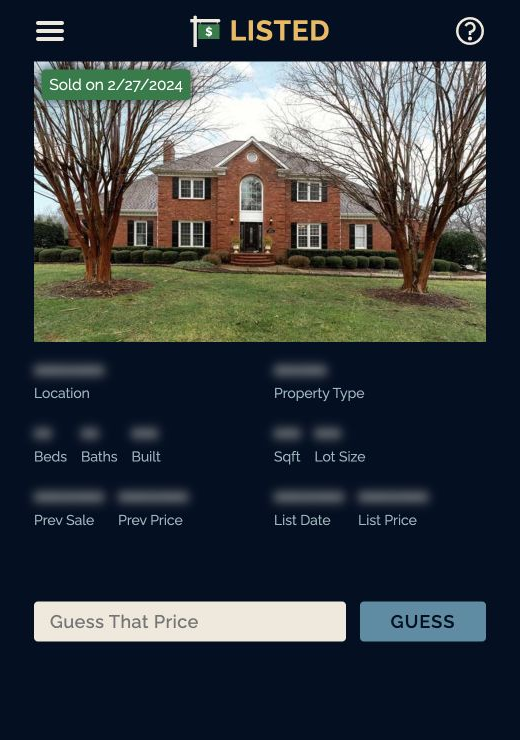
Estimate a home's price from its photograph and property information.
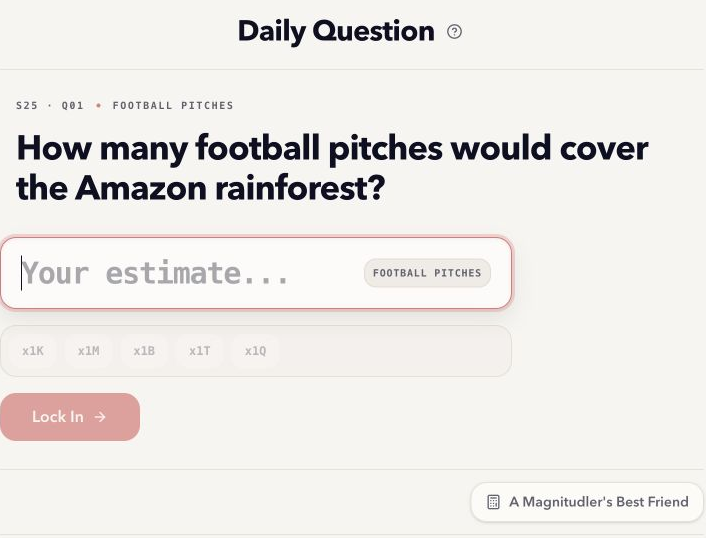
Estimate the answer to a numerical question using the stated unit and scale.
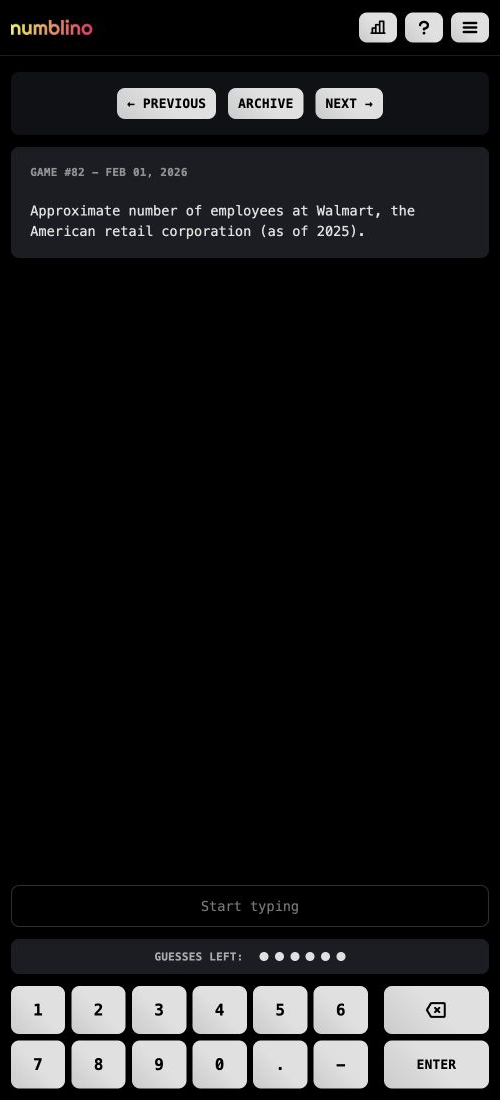
A statistic is described in a single line, such as how many lightning strikes hit the planet each minute, and you type your estimate on the number pad.
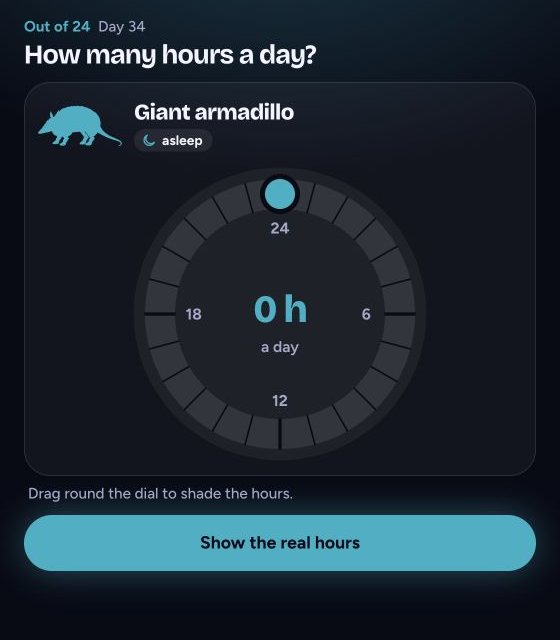
Estimate how many hours an animal sleeps using a twenty-four-hour dial.

Submit a numerical geography bid, aiming close to the answer without overbidding.
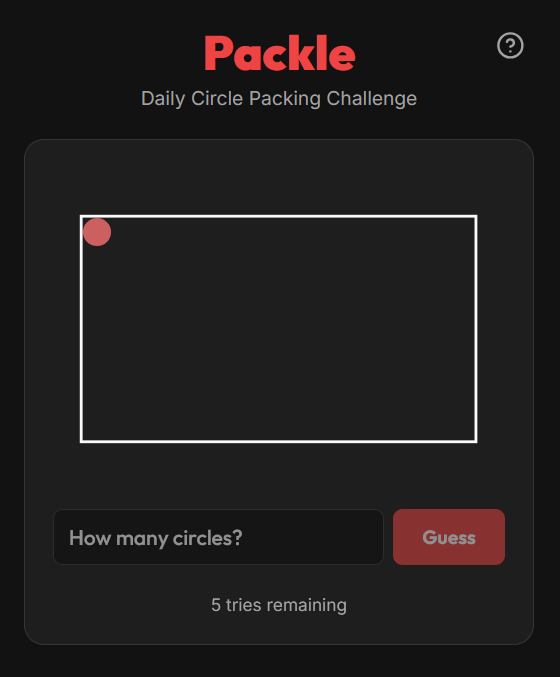
Estimate how many identical circles fit inside a shape without overlapping.
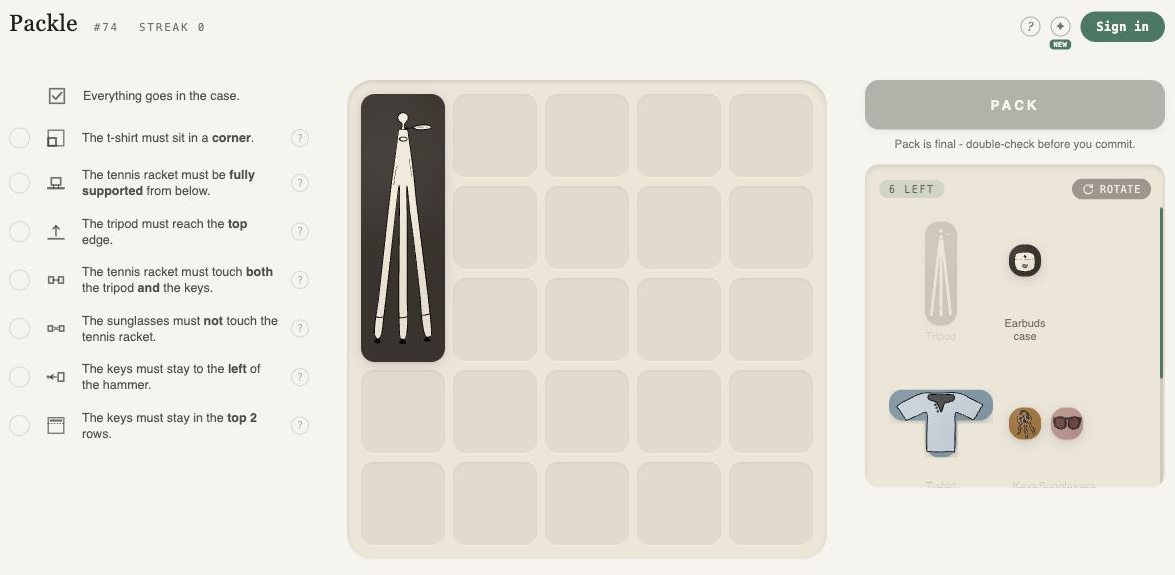
Arrange travel items inside a suitcase while satisfying the packing rules.
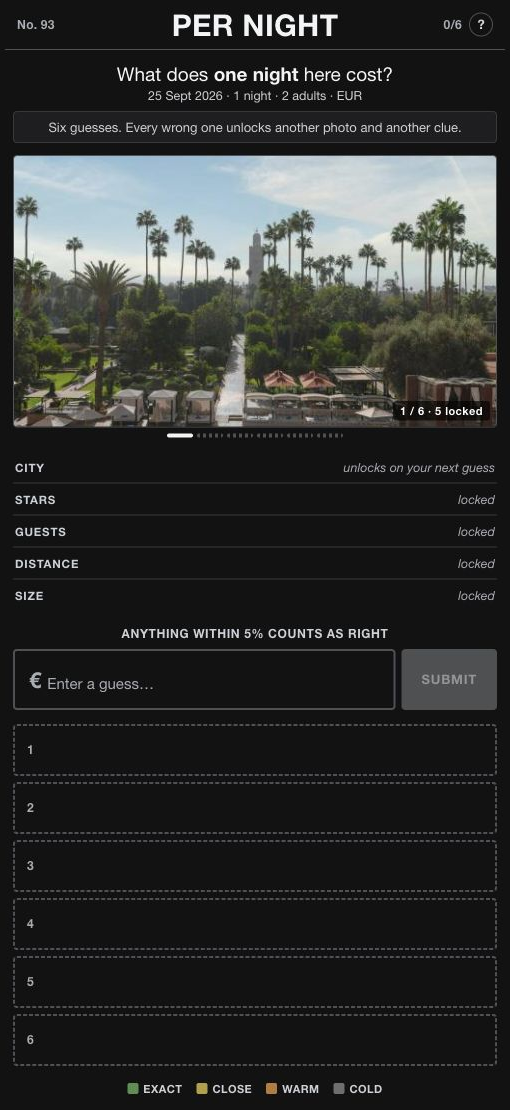
Guess the price of one night at a real hotel in 6 tries, with anything within 5% counting as right.
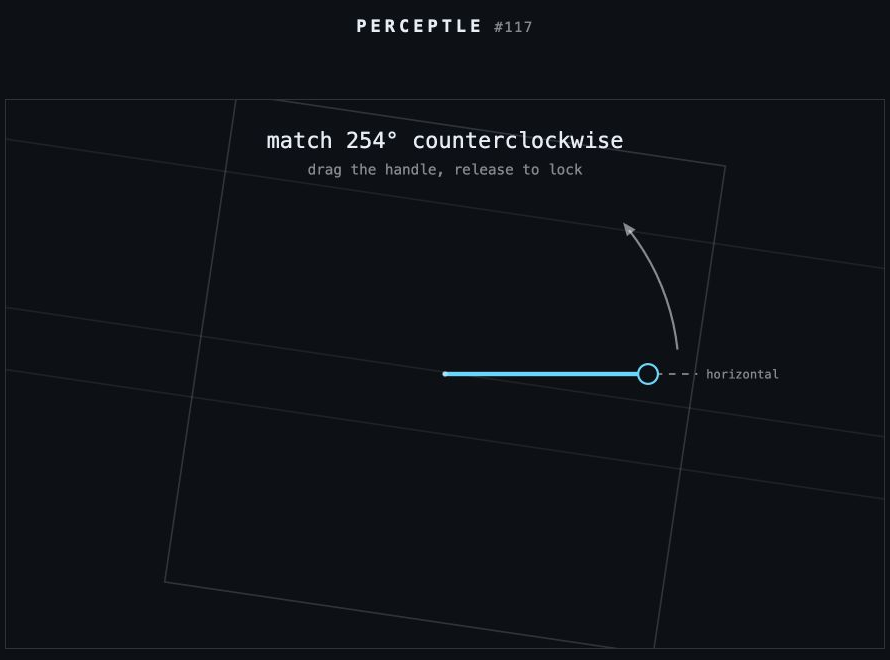
Test your visual and perceptual judgment across five short daily challenges.

Draw where the water surface would settle inside a tilted glass.

Estimate a liquid level by comparing the capacities of differently shaped glasses.
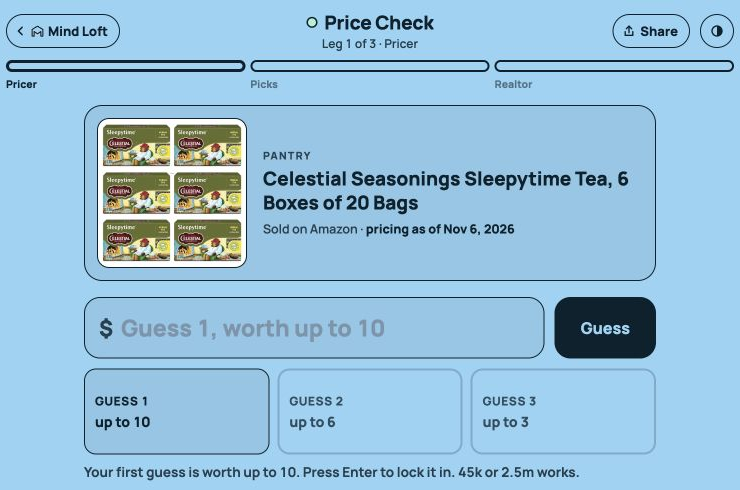
Estimate the price of a displayed product to score in the price-guessing run.
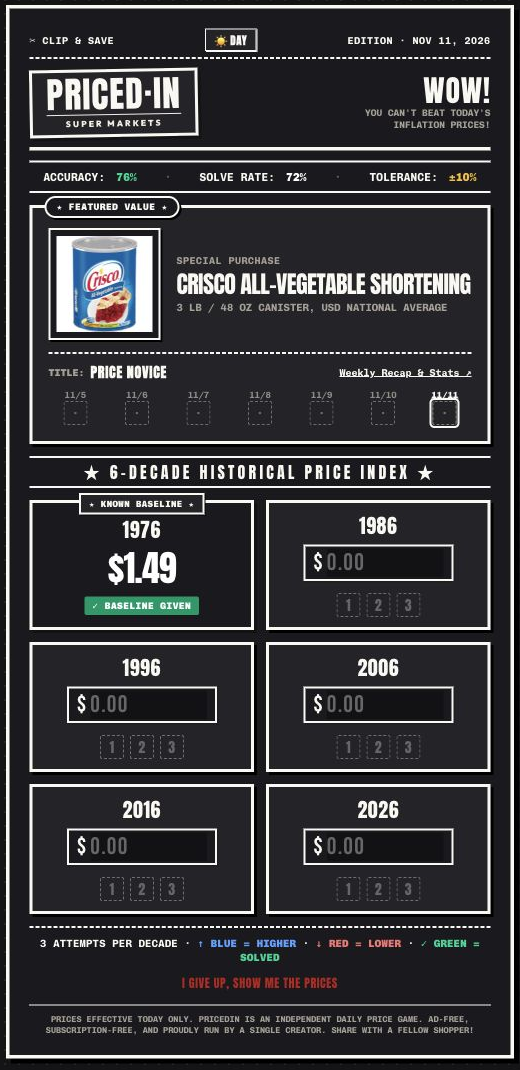
Estimate a grocery item's prices across decades from a supplied historical baseline.

Compare historical price tags and choose which one is higher or lower.
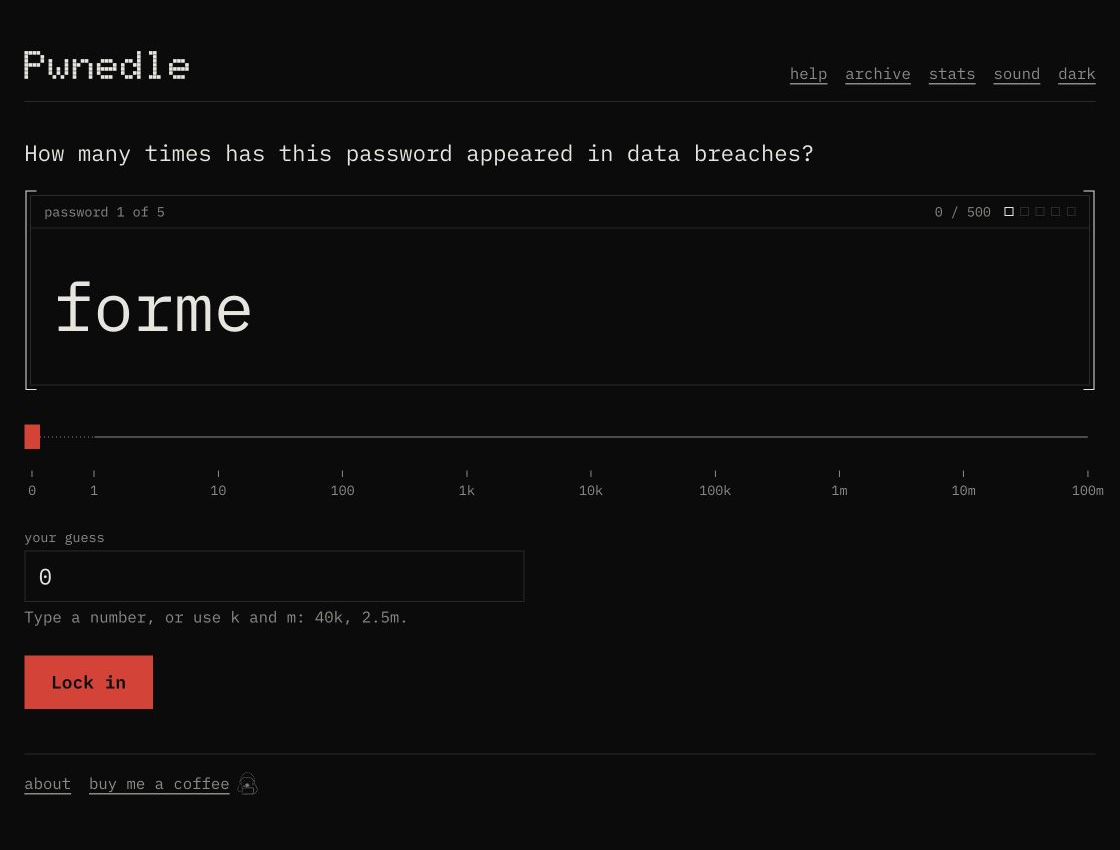
Estimate how frequently a password appears using a logarithmic scale.
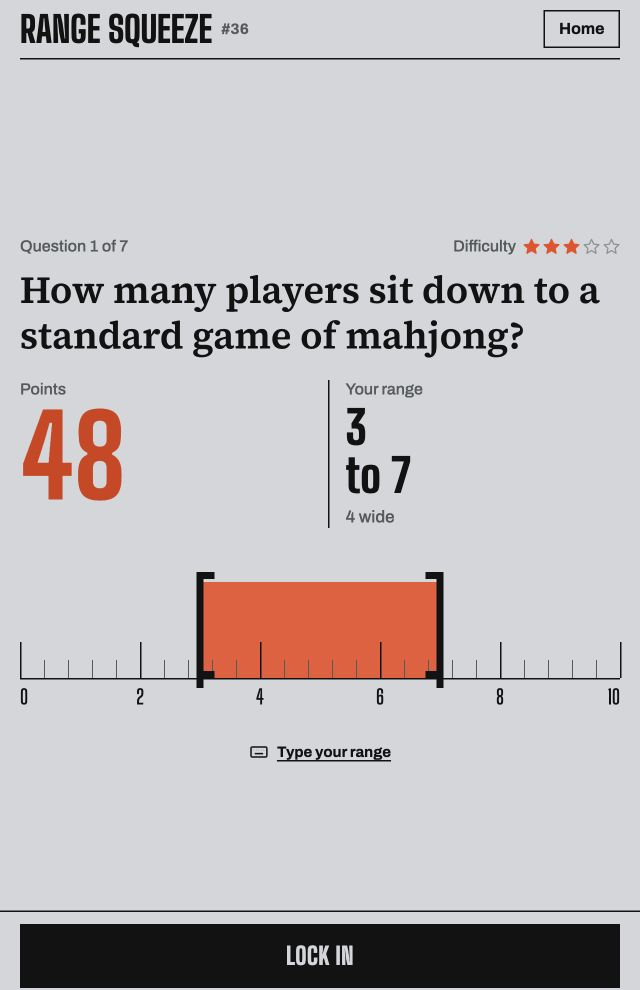
Set a range around a numeric trivia answer, balancing precision against risk.
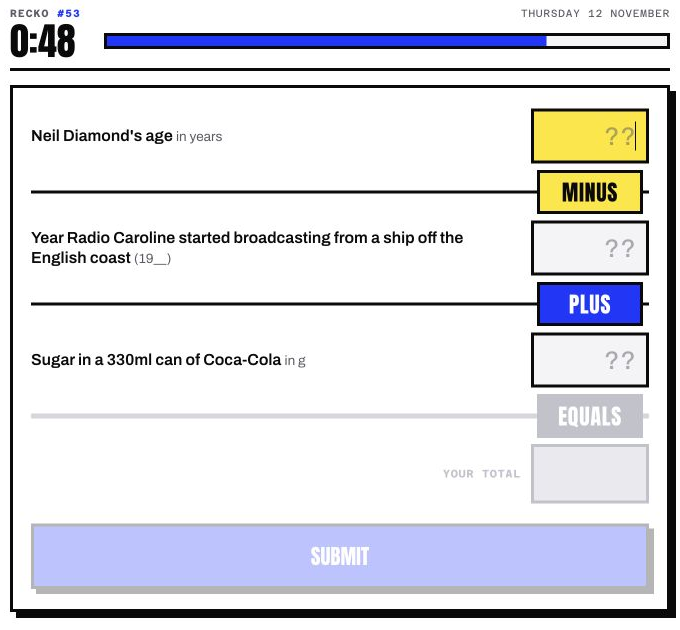
Work out the numerical answers to trivia clues, then combine the three values.
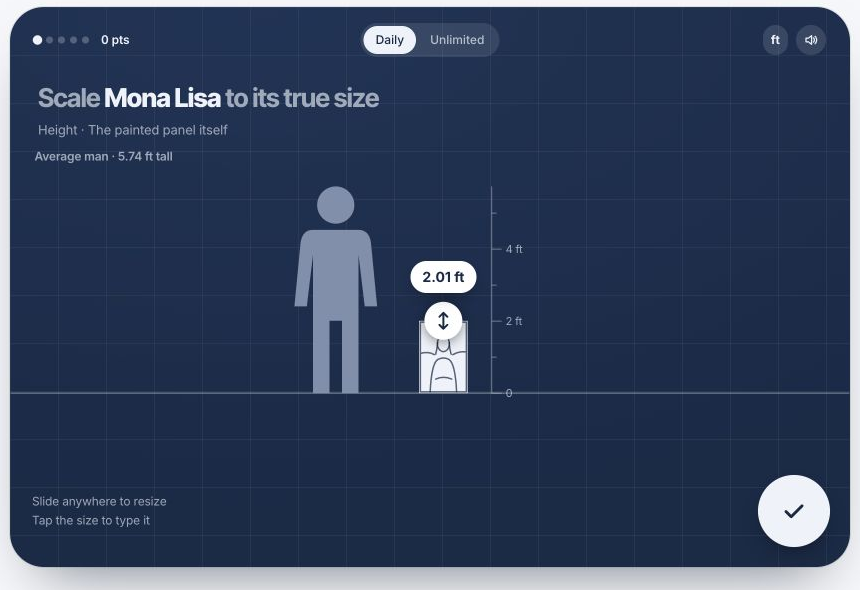
Resize an object beside a reference person to estimate its real-world scale.
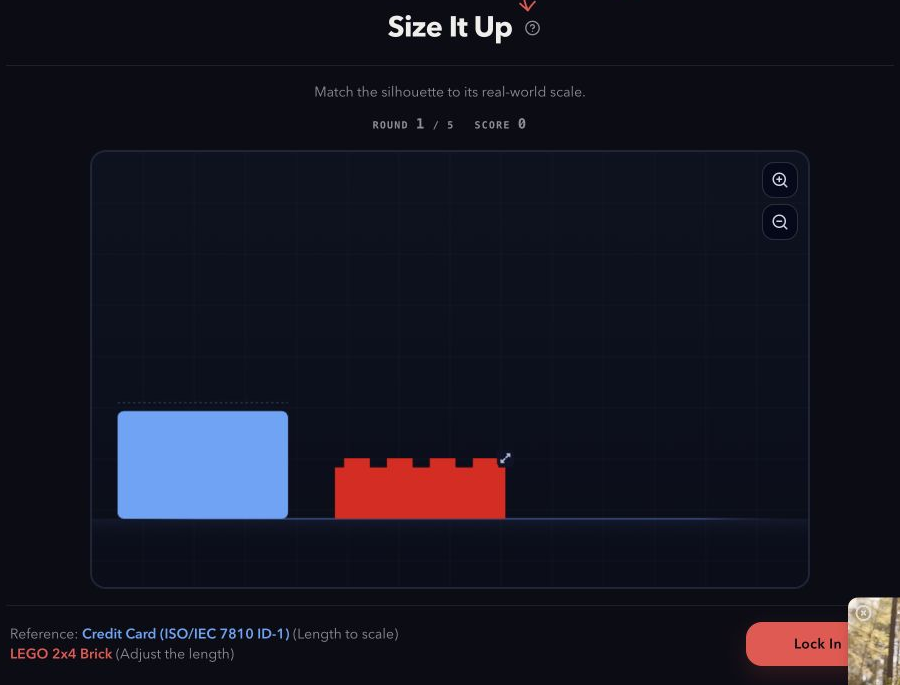
Resize a silhouette to match its real size beside a reference object.

Estimate how many of one object would balance another on a scale.